Pump Chamber installation & sewer connection, Cirencester
We were pleased to carry out this sewer connection for three neighbouring properties in Cirencester, Gloucestershire, replacing an existing sewage treatment plant that had been causing the residents considerable problems.

Objective
Our objective was to connect three existing residential properties to the public foul sewer, replacing a shared sewage treatment plant which was not working as it should. It had been installed only a few years ago, and although the plant appeared to have been sized correctly for the number of properties, the soakaway or drainage field was not suitable for the volume of effluent from these three properties combined. As a result, the plant was regularly filling up and required frequent tanker emptying, causing considerable inconvenience and expense for the residents. Click here to read our article How long does a soakaway last.
In addition, new rules since 2020 prohibit installation of a septic tank or treatment plant where a public sewer exists within 30 metres of the property boundary, so a treatment plant should never have been installed in the first place.
In any case, the public sewer was only a few metres from the properties, so connecting to the mains was a much more sensible long-term solution.
The challenges....
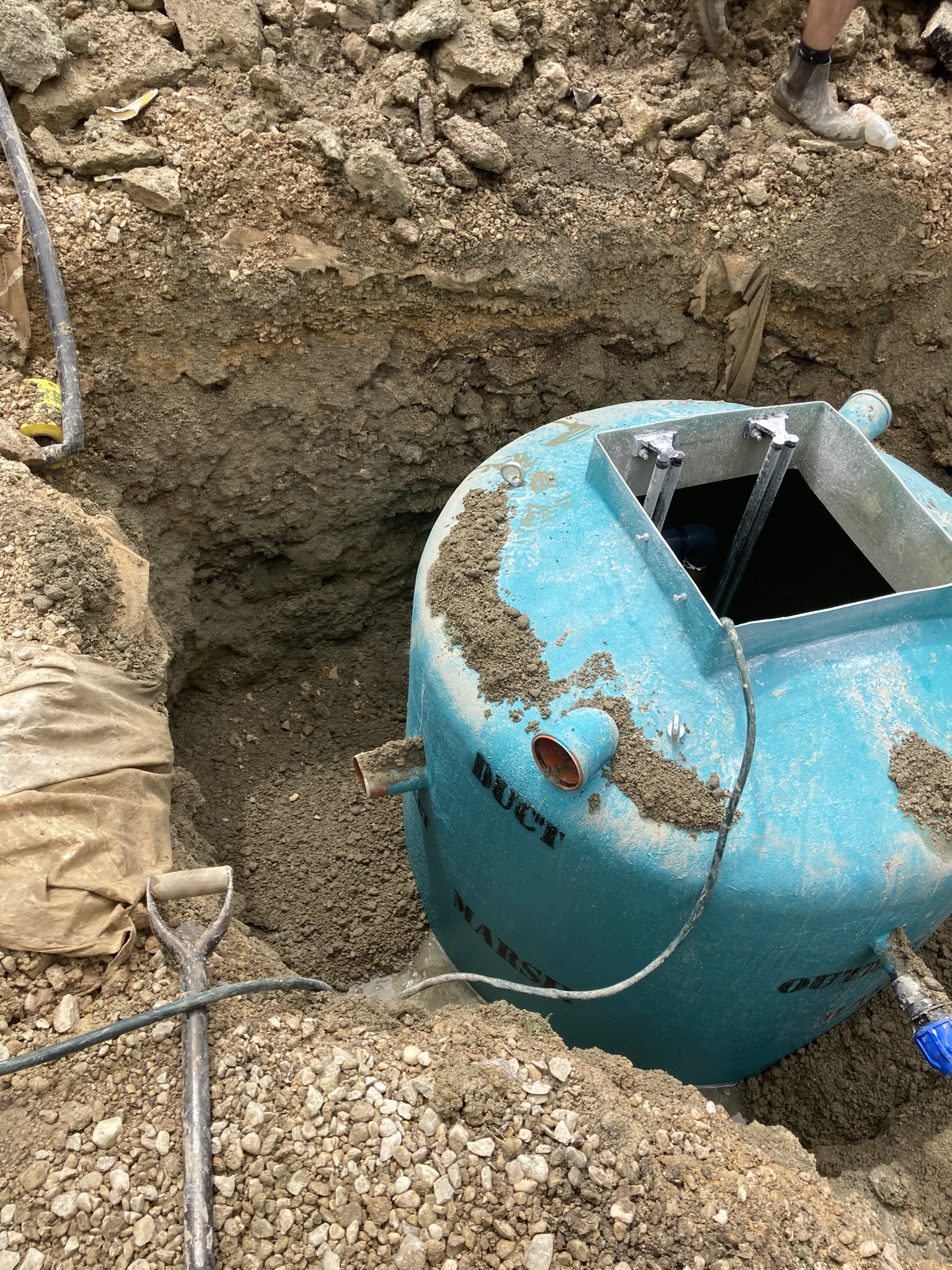
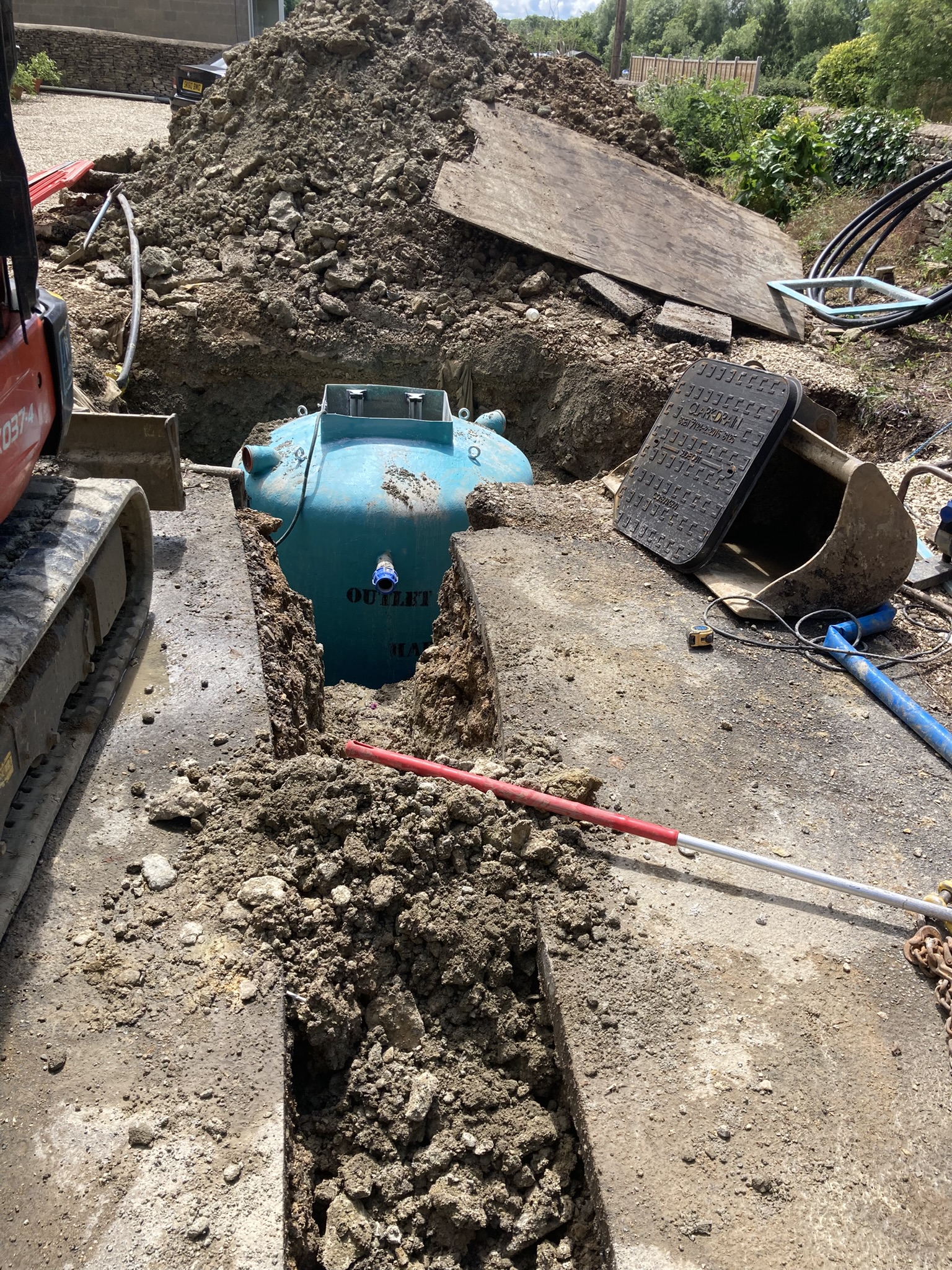
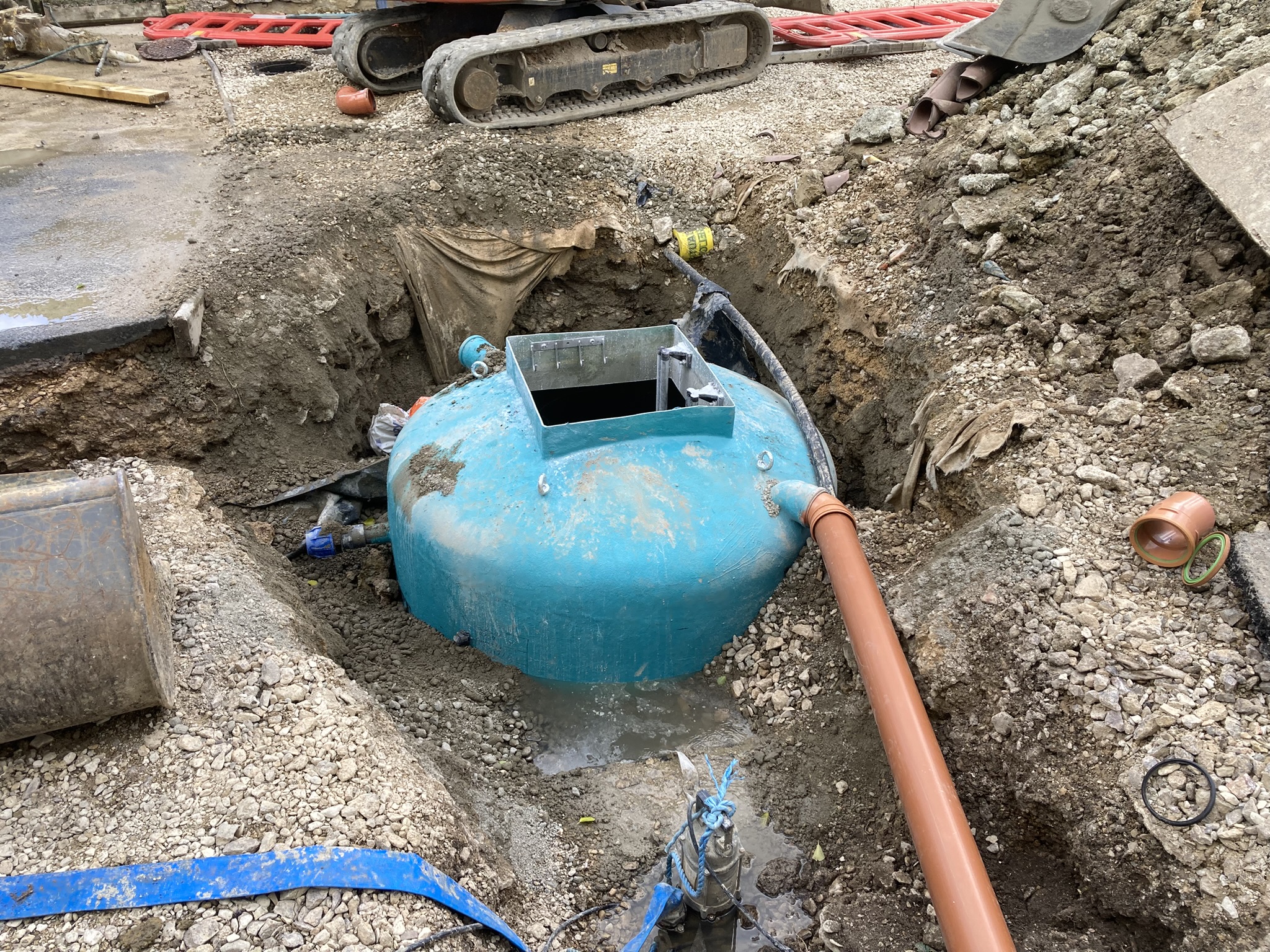
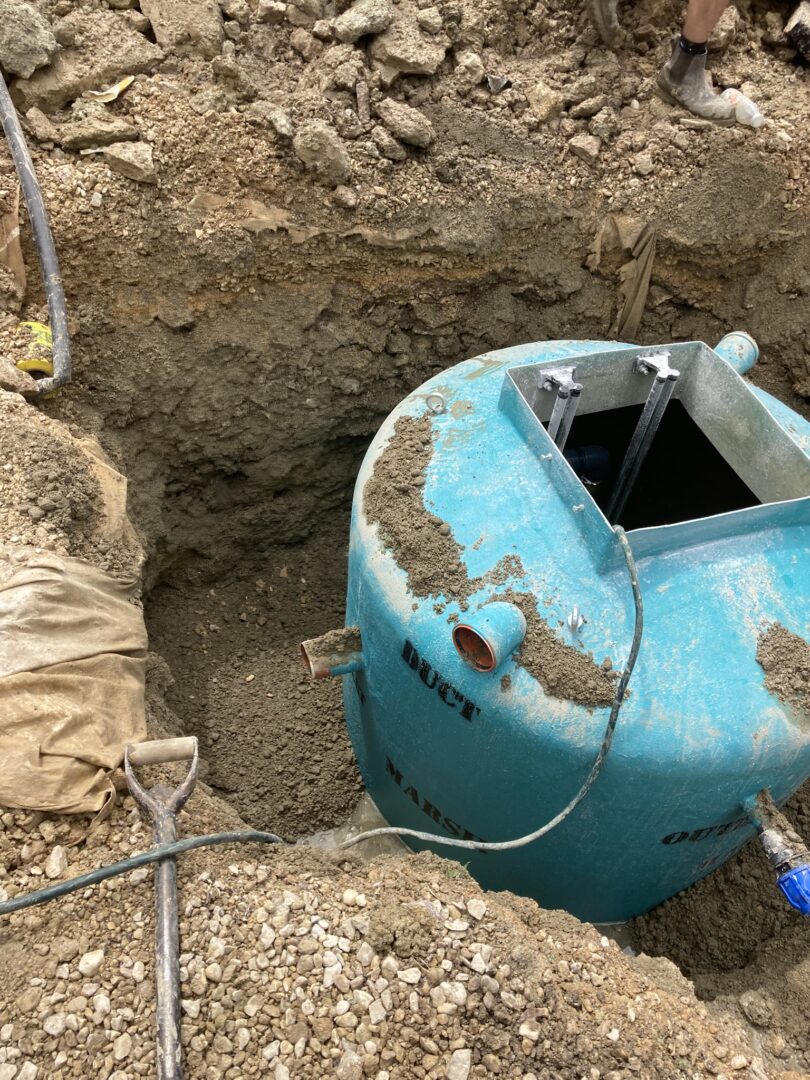
Although the public sewer was relatively close, the properties were at a level which meant that a gravity connection wasn’t possible. We therefore needed to install a new sewage pumping station, which would collect the foul water from all three properties and pump it to the public sewer in the road.
As usual with sewer connections, there were also various applications and permits to organise, including the Section 106 application to Thames Water and the necessary arrangements with Highways, namely the Section 50 application.
Another important consideration was that all three properties were occupied, and the residents obviously needed to continue using their toilets, bathrooms and kitchens throughout the works.
About the project
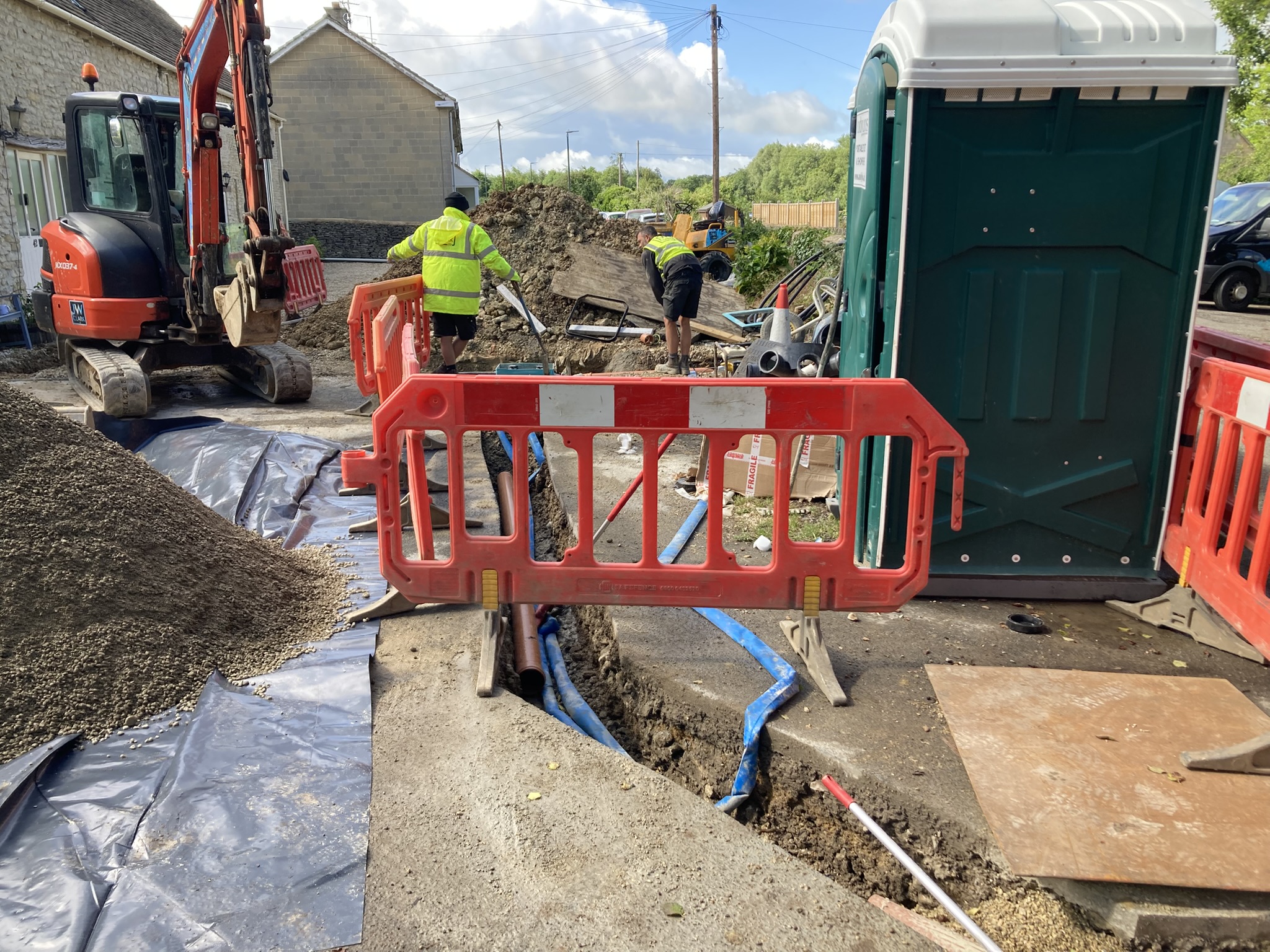
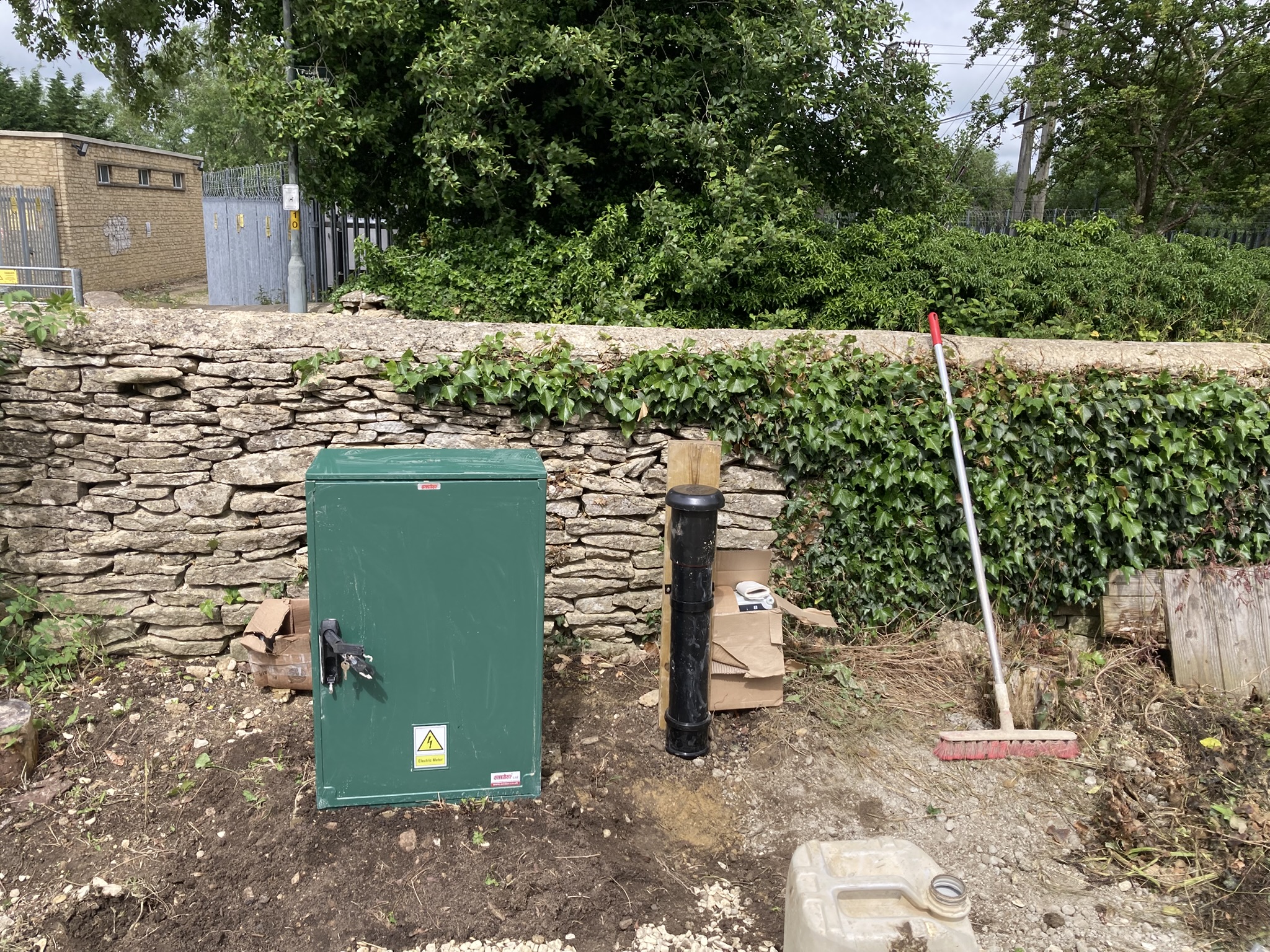
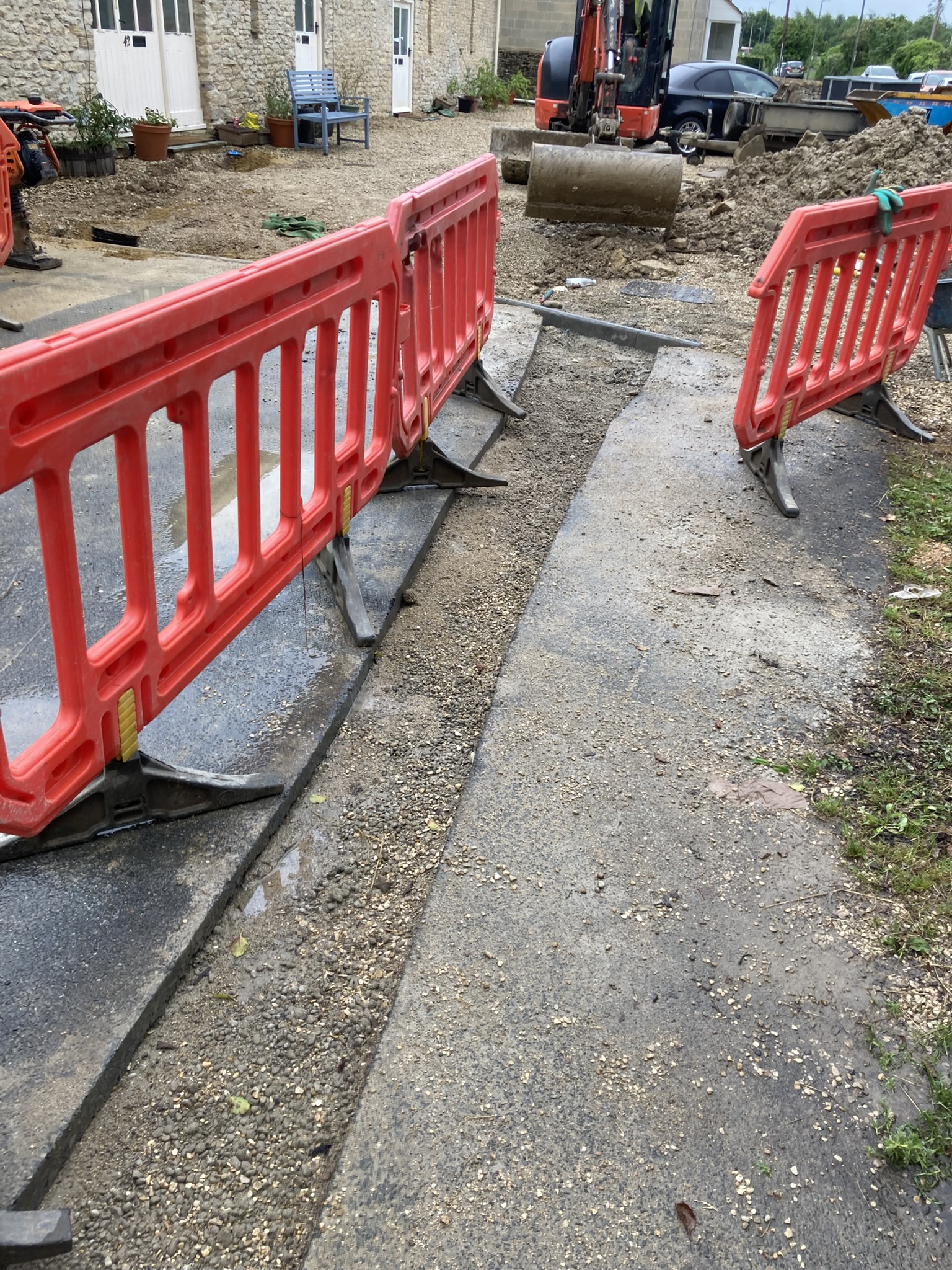
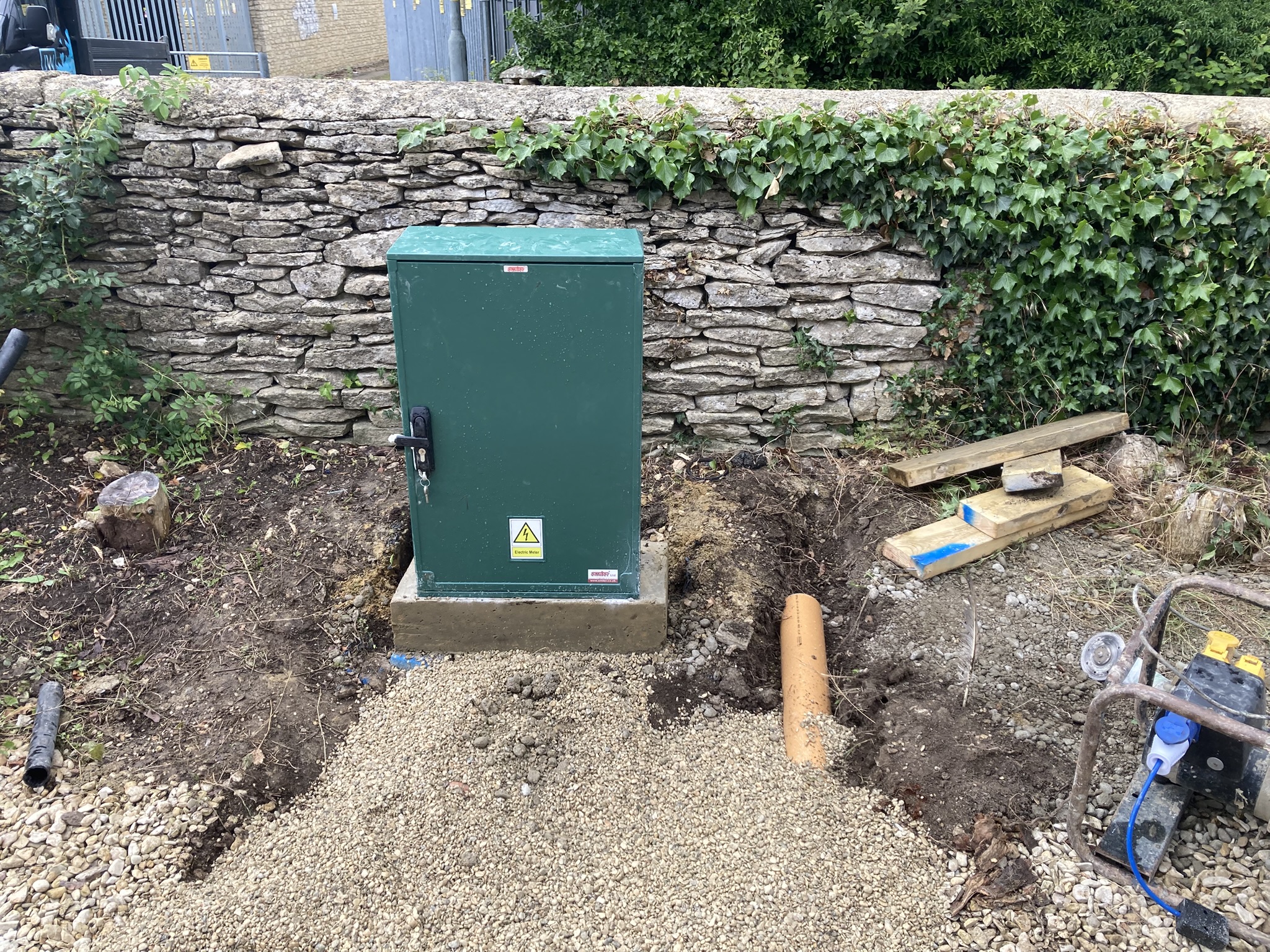
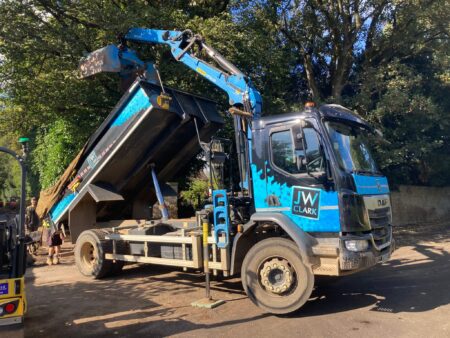
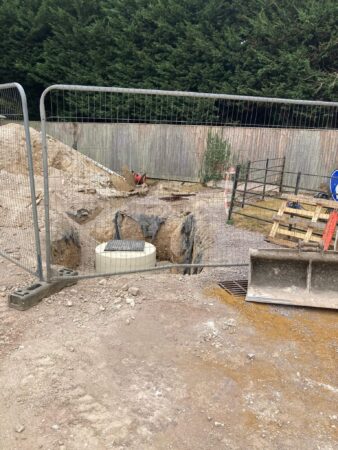
With the permits arranged with the water authority and Highways, we brought plant to site and dug trial holes in the front driveway to identify a suitable position for the underground pump chamber among the existing services. The new sewage pumping station was installed within the private property, set in concrete and connected to the existing drainage serving the three houses. We use Marsh Industries pump chambers throughout our installations, and we are Marsh Industries Approved Contractors.
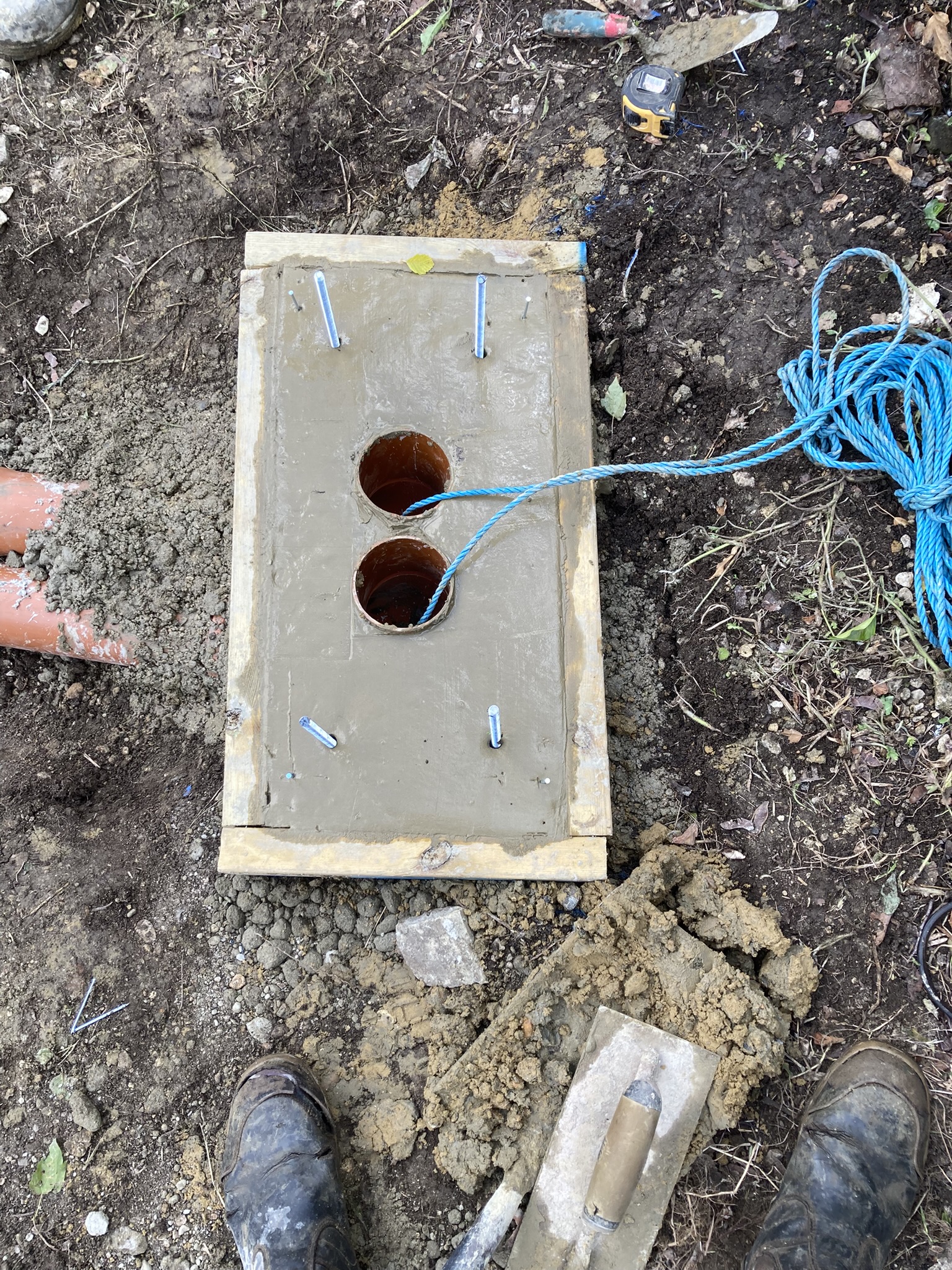
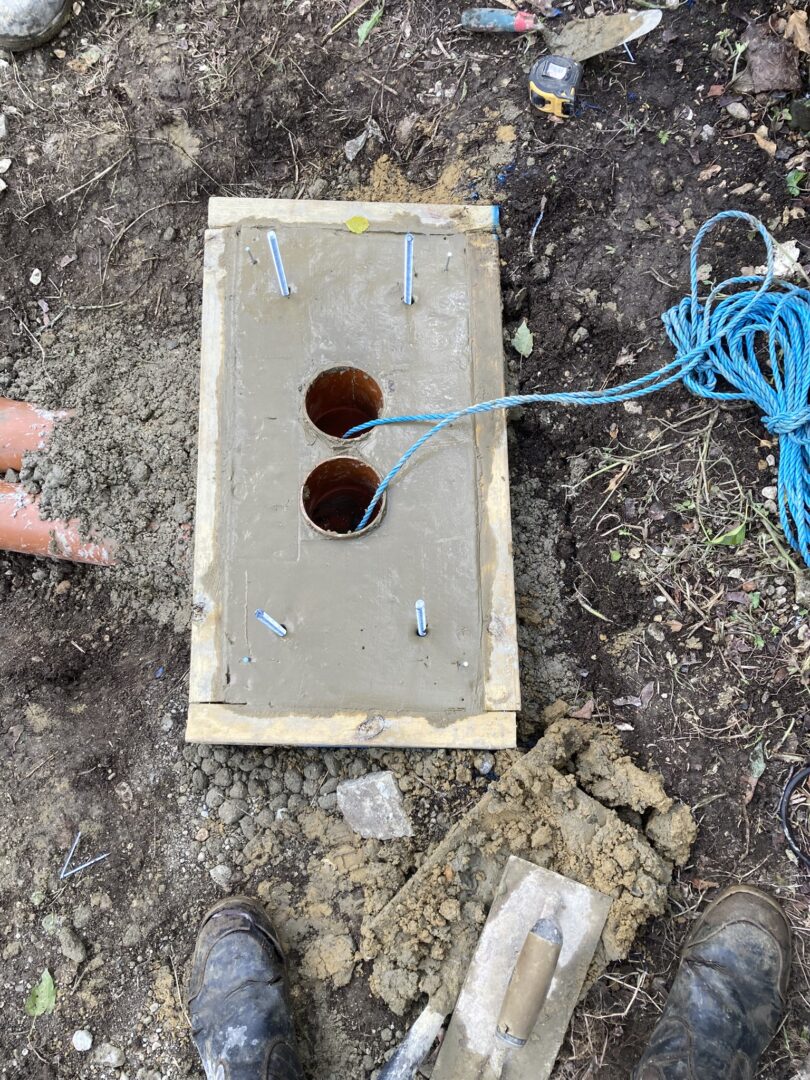
With the pump chamber installed, we then laid a new 63mm MDPE ‘rising main’ from the pumping station towards the highway. At the boundary we built a ‘break chamber’ – this is the point where the pipework changes from being a ‘rising main’, with 63mm MDPE pipe, to gravity pipework, for which we used 100mm clay pipes. As the break chamber was to be in the entranceway to the shared driveway, we finished it with a D400 manhole cover.
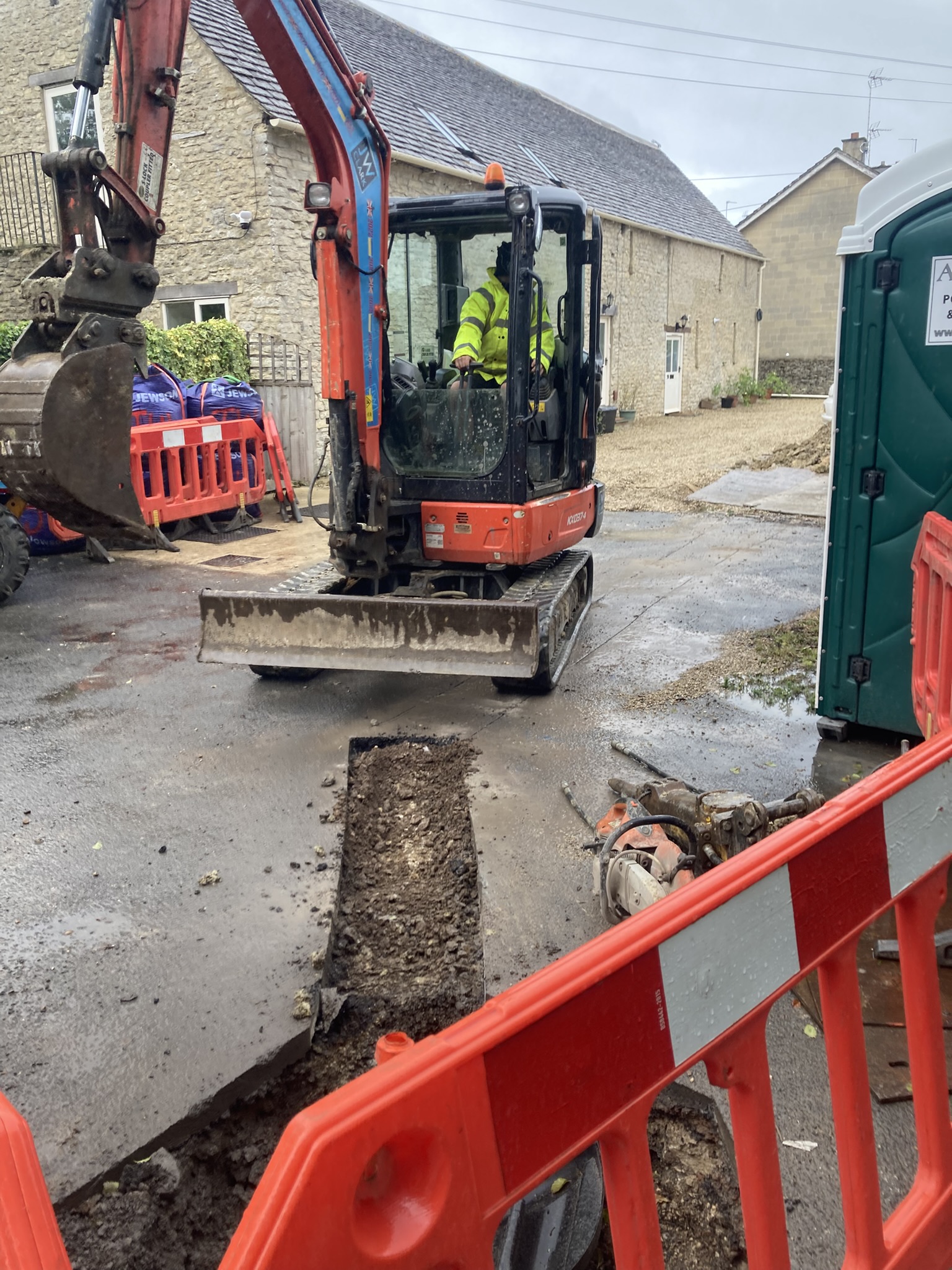
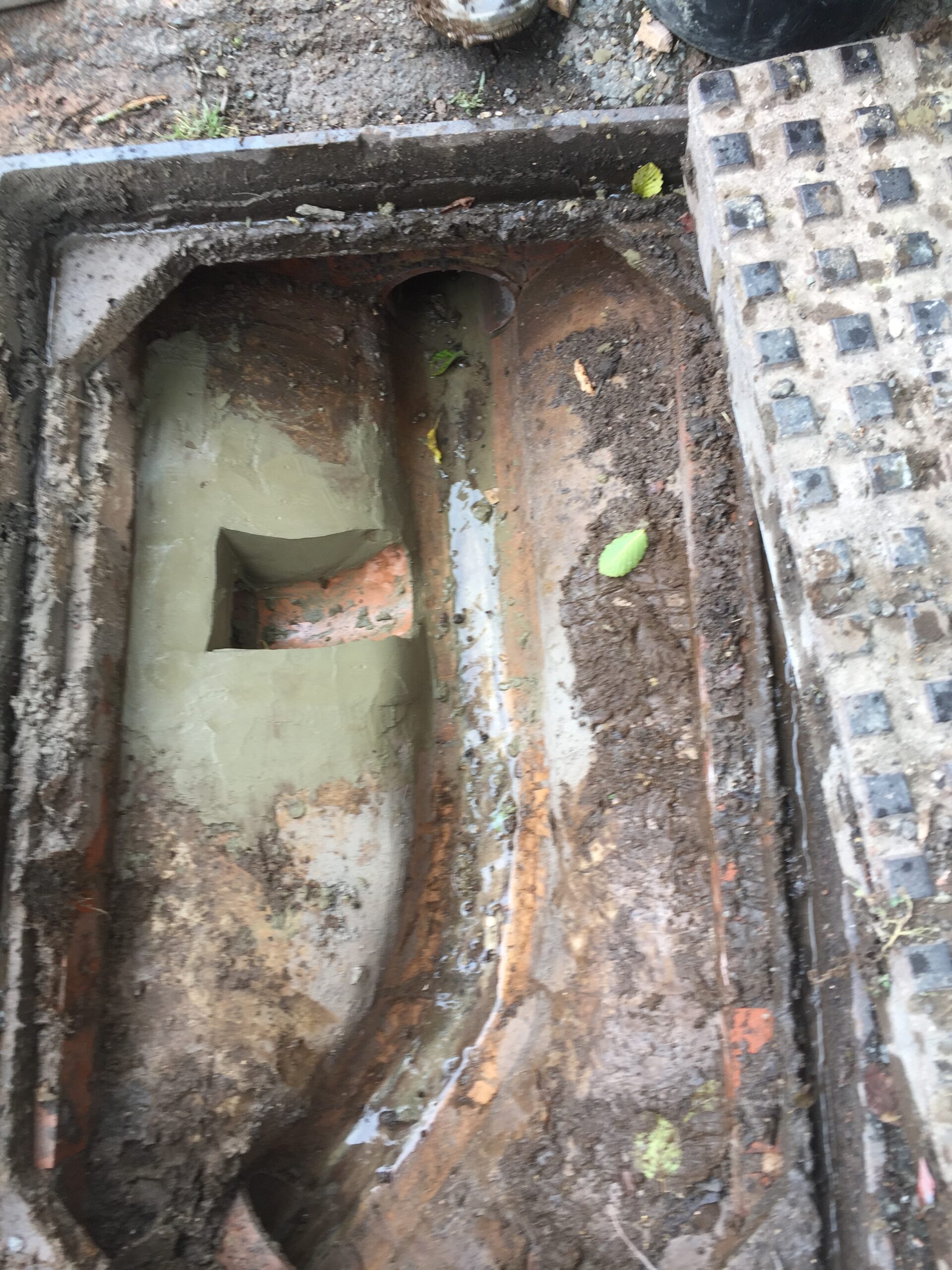
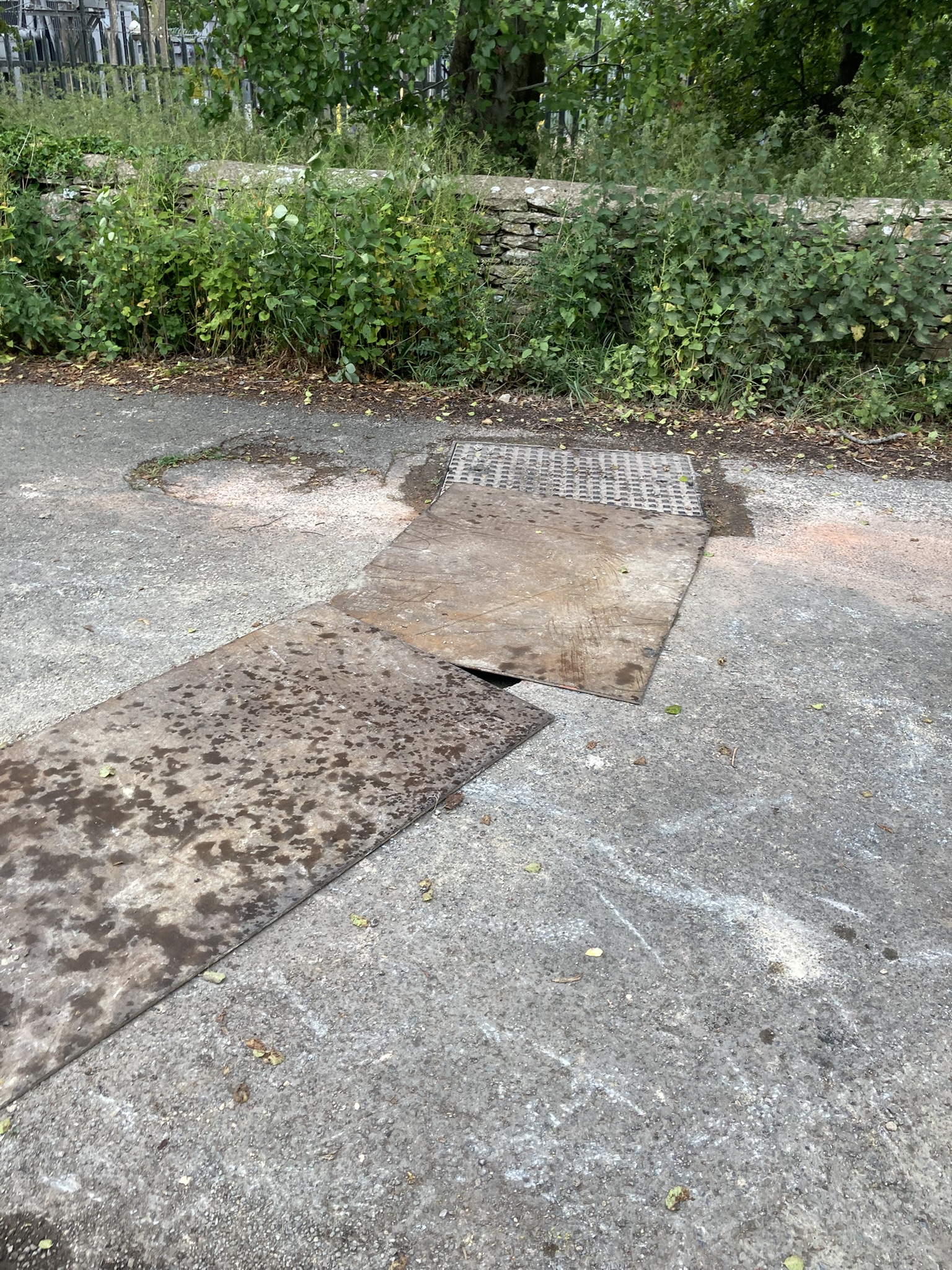
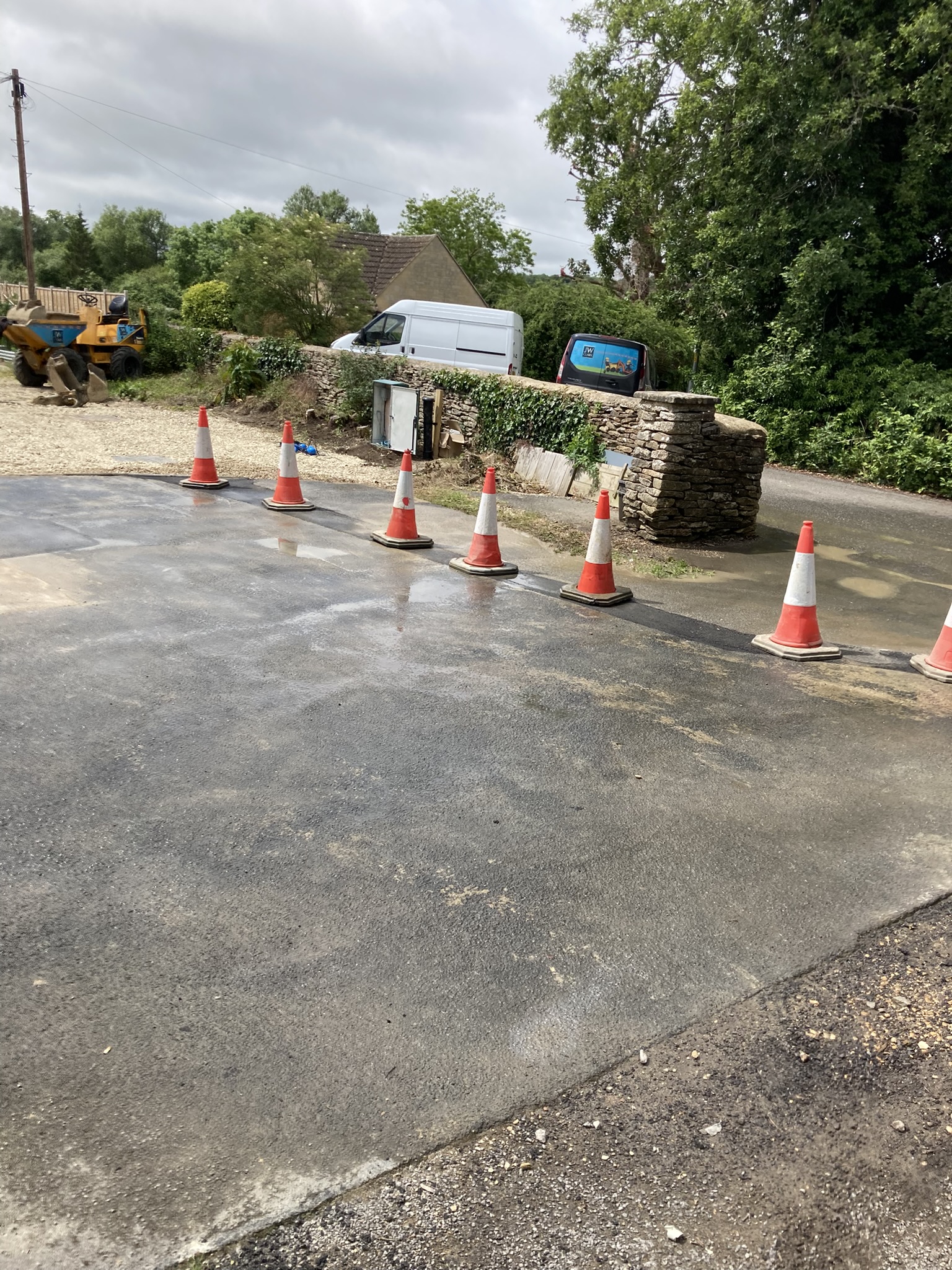
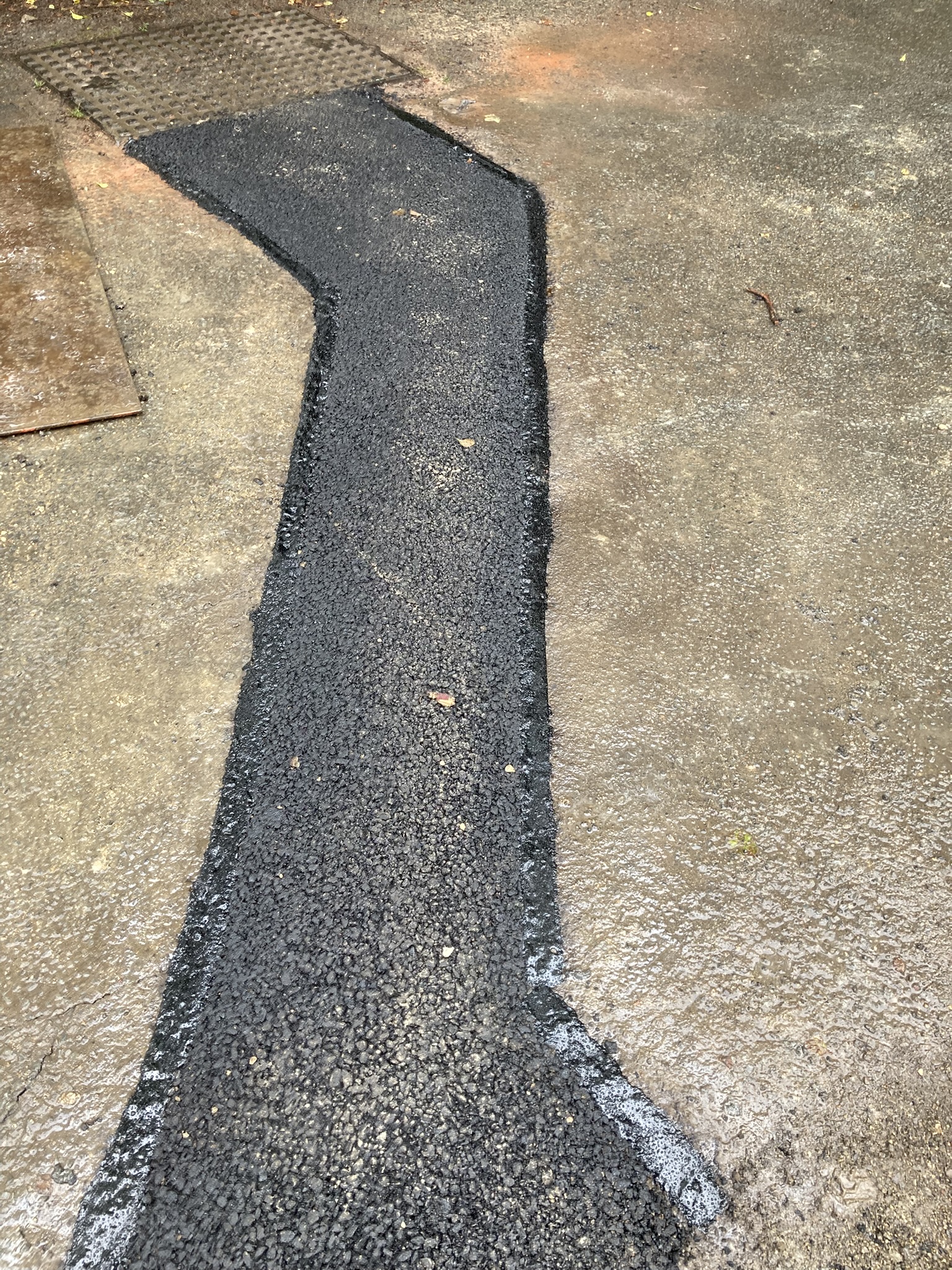
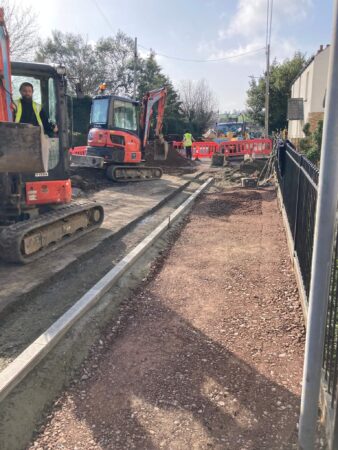
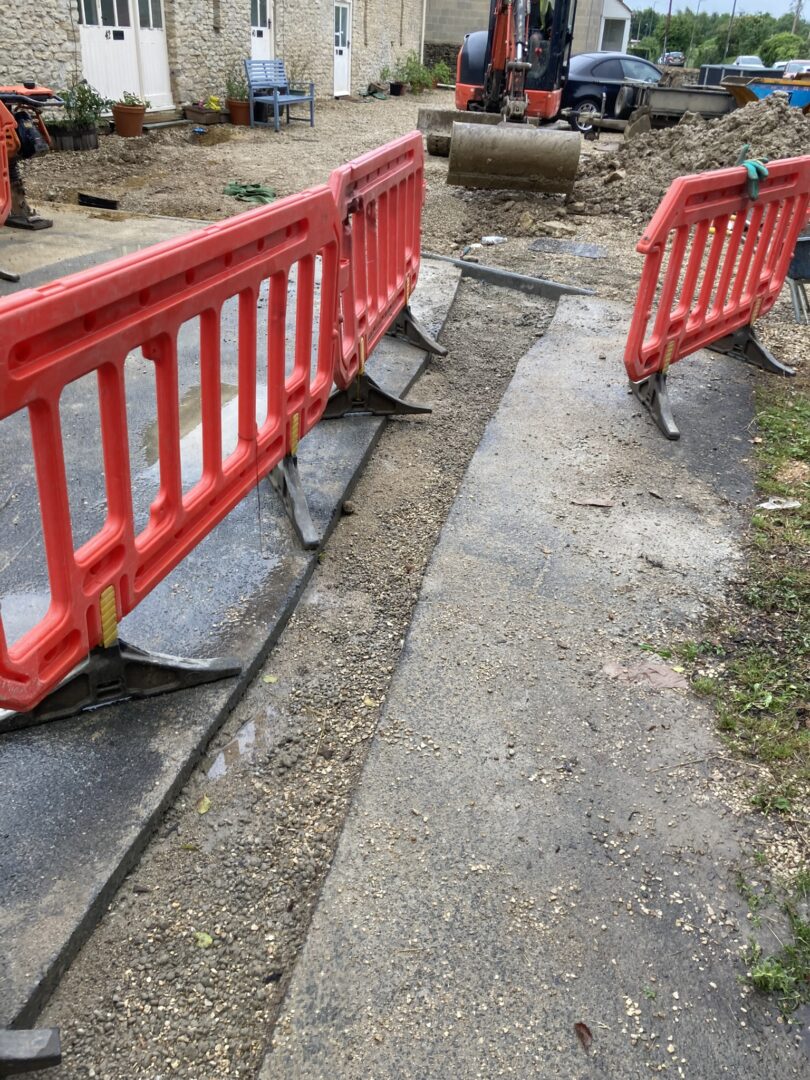
With the Section 50 in place and our roadspace booked, we excavated in the Highway for the clay pipework. The manhole in the Highway that would be our connection point, was unusually shallow, at only about 500mm deep. We core-drilled into the manhole, our connection method being ‘direct connection into a manhole’ Click here to read more about connection methods. Once the connection had been inspected, we backfilled the excavations and reinstated the tarmac in the carriageway.
One of the most important parts of the job was ensuring that the residents could continue using their drainage throughout the works. We arranged the installation and final changeover so that the three households were not left without a functioning sewage system.
With the ‘switchover’ done, and the new pump chamber commissioned and tested, the old treatment plant was then decommissioned, with the three properties connected to the public sewer via their new pumping station.
This was a particularly satisfying project for us, as the residents had been dealing with a troublesome private sewage system for some time.
The three households now discharge to the public sewer through their new shared pumping station, removing their reliance on the troublesome treatment plant and failed soakaway. The residents no longer depend on the garden’s ability to absorb treated wastewater.
The new pumping station will require some ongoing care. Our factsheet, Aftercare for Pump Chambers, explains the servicing and maintenance responsibilities that come with these systems.
Timeline
Time to quote for the works: Less than a week
Time taken to obtain Section 106 Approval from Thames Water: 3 weeks
Time taken to obtain Section 50 Licence from Highways: 6 weeks
Leadtime to use S50 Licence: 4 weeks
Time taken to do the work: 2 weeks
Total time: 15 weeks
If your treatment plant or soakaway is causing problems, or your property cannot connect to the public sewer by gravity, contact JW Clark to discuss your project.
Don’t leave it too late for a sewer connection, most people do! Read our article here: How long does it take to do a sewer connection?
Click here to see more of our case studies.